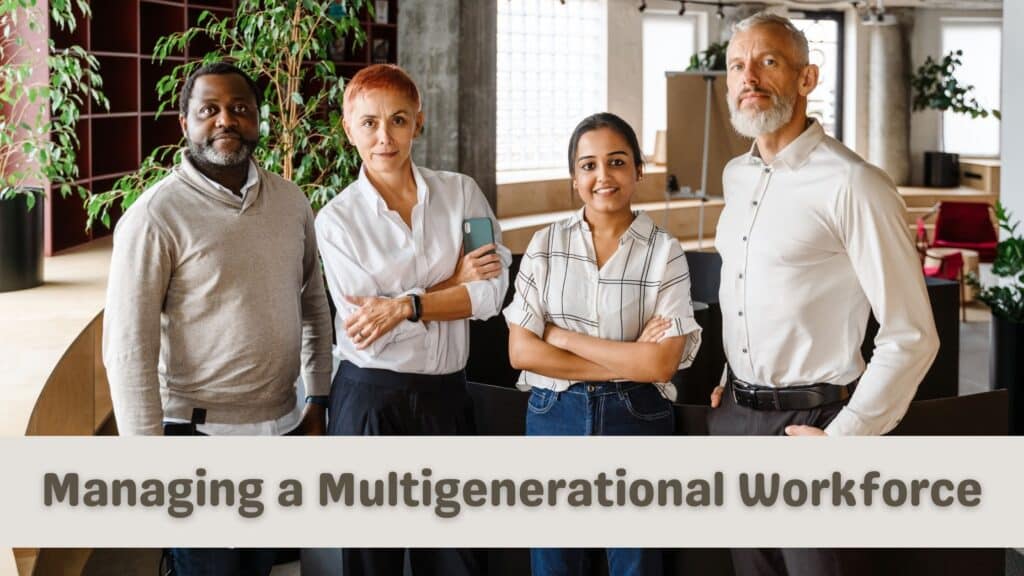
Healthcare organizations increasingly rely on a tapestry of generations working side by side—from Baby Boomers to Gen Z. Each cohort brings unique strengths, expectations, and work styles. Effectively managing this multigenerational workforce requires understanding generational dynamics, anticipating trends, embracing flexible work arrangements, and envisioning a resilient future of work. I am honored to be invited as a gest speaker/lecturer at UERM Medical Center last August 12, 2025. I covered four key areas, and I want to share it with you.
Module 1: Understanding the Generations in Healthcare and Driving Factors
Healthcare teams today commonly include Baby Boomers (born 1946–1964), Gen X (1965–1980), Millennials (1981–1996), and Gen Z (1997–2012). In some contexts, elements of Gen Alpha or older entrants may appear in trainee roles.
Across these generations, three broad factors shape behavior: values and motivators, technology fluency, and work-life integration needs. In healthcare, patient safety, quality of care, and regulatory compliance add an additional layer of shared professional purpose.
Key Generational Profiles and Implications
- Baby Boomers
Strengths: Intellectual capital, desire to teach/mentor, strong work ethic, reliability and commitment even in difficult times, institutional loyalty.
Needs: Respect, opportunities to contribute through coaching or leadership roles, flexibility within a structured environment.
Opportunities: Pair Boomers with newer staff for clinical mentorship; leverage their experience in policy development and quality improvement projects.
2) Gen X
Strengths: Pragmatism, adaptability, cross-generational communication, balance between autonomy and teamwork.
Needs: Clear career progression, recognition of efficiency, clarity of purposes, reasonable boundaries to avoid burnout.
Opportunities: Involve Gen X in process optimization, project management, and change initiatives; empower them as bridge-builders between generations.
3) Millennials
Strengths: Collaboration, technology adoption, patient-centered care, commitment to social responsibility.
Needs: Feedback, development opportunities, purpose-driven work, flexible scheduling within patient safety constraints.
Opportunities: Create structured development paths, mentorship programs with opportunities for impact, and inclusive team rituals that emphasize values.
4) Gen Z
Strengths: Digital fluency, rapid learning, comfort with new tools, fresh perspectives on workflows.
Needs: On-the-job training, frequent feedback, growth-oriented roles, meaningful work-life balance, focus on quality of work vs time spent at work
Opportunities: Implement buddy programs, micro-credentialing, and rapid-cycle learning loops; design technology-enabled workflows that reduce repetitive burdens; design meaningful and purposeful job designs.
Module 2: Future Trends of Multigenerational Workforce in the Health Care Industry
Emerging Long-Term Trends
Artificial Intelligence and Decision Support: AI-enabled tools assist decision-making, documentation, and administrative tasks, benefiting all generations when designed for usability.
Intergenerational Collaboration Models: Team-based care with defined roles for different experience levels can improve learning and patient outcomes.
Outcome-Oriented Scheduling: Predictive analytics to align staffing with patient needs while offering flexibility.
Continuous Learning Ecosystems: Micro-learning, simulations, and on-demand coaching support a culture of lifelong learning.
Role Diversification: Career ladders that allow clinical staff to blend patient care with informatics, education, policy, or quality roles.
Emerging Talent Trends
a) Change at speed, Emerging as a differentiating organizational competency.
b) Higher sense of purpose embedded into the Employee Value Proposition (EVP) unlocks individual potential and spurs people to be change agents.
c) Flexibility – rethinking what work is done, how it is done, and by whom.
d) Training Platform for Talent, less formal, more experiential
Impact on Management
Leadership Versatility: Leaders must adapt communication, feedback, and delegation styles to resonate across generations.
Change Agility: Rapid adoption of new tools and processes requires inclusive change management with early buy-in from diverse cohorts.
Metrics That Matter: Track patient outcomes alongside workforce metrics such as engagement, learning progression, burnout indicators, and retention by generation.
Succession Planning: Proactively identify and develop high-potential staff across generations to ensure continuity of care.
Mentoring Program, Critical to Future Talent Readiness
Due to the blistering pace of change, younger generation groups may not have fully maximized their learning journey to demonstrate leadership and functional skills gained through years of experience by the Baby Boomers. Most Baby Boomers are retiring and therefore time is of the essence in developing new leaders in the healthcare industry. Organizations need to ramp-up their Mentoring programs, formal and informal.
a) Older Leaders need to embrace the skills and characteristics of good coaches and mentors. Younger generation need to see feedback as a gift.
b) Mentorship programs foster transfer of knowledge, improve leadership skills and result to higher performance and job satisfaction, If not handled properly, it may lead to “palakasan”, “god-father/mother syndrome; fear of being misjudged, highlights inadequacy instead of continuous learning from feedback from Mentors. Lack of trust by Mentee to Mentor might lead to miscommunication and stress.
c) Mentors need to co-create relationships by building trust and cultivating safety, maintaining presence and establishing mentor/mentee agreements.
d) Embrace the underlying mentor characteristics on kindness, reason, justice, and altruism.
e) Demonstrate professionalism, ethical practices, personal integrity and honesty in interactions. Maintains confidentiality.
f) Listen actively. Focuses on what the Mentee is and is not saying.
Module 3: Multigeneration Workers Embracing the Gig Economy
The gig economy is not just for freelancers; many multigenerational workers in healthcare engage in flexible, temporary, to balance work-life needs, gain diverse clinical experiences, or supplement income. Embracing appropriate gig models can improve talent optimization, retention, and skill diversification when aligned with quality and safety standards.
Mitigating Actions:
a) Patient Care: Ensure continuity and seamless patient care programs. Fragmented coverage can jeopardize patient safety; Create clear and documented tasks and deliverables and proper handoffs
b) Licensed Health Care Professionals: Strictly require credentials including Regulatory Compliance. Ensure that gig workers meet licensure, credentialing, and facility-specific requirements.
c) Quality Control: Maintain consistent practice standards across all providers, with standardized protocols and supervision.
d) Data Security: Ensure that guest clinicians adhere to privacy and security policies through non-disclosure contracts and clarify adherence to Data Privacy Acts.
Module 4: Envisioning the Future of Work, Workforce, Workplace
Envisioning the Next Era
a) The Future of Work in healthcare blends human-centered care with intelligent systems, enabling clinicians to focus more on direct patient interaction while automation handles routine tasks.
b) The workforce will continue to diversify in terms of age, background, and work preferences, requiring adaptive leadership and resilient organizational structures.
c) The workplace will become more digitally augmented, with remote triage, telehealth support, virtual collaboration spaces, and portable patient data access.
d) Currently, Gen X holds the strongest cultural influence over other generations
Strategic Goals for Organizations
a) Patient-Centered Excellence: Maintain safety, quality, and compassionate care while leveraging multigenerational strengths.
b) Multigenerational Talent Resilience: Design staffing models and career paths that reduce burnout and improve retention across generations through a purposeful design of employee value propositions.
c) Inclusive Culture: Build sense of belonging through intentional practices, mentorship, reduction of bias, creating allyship programs to drive diversity, and equitable opportunity.
d) Digital Maturity: Implement interoperable, user-friendly technology that supports care delivery and continuous learning.
In conclusion,
A productive multigenerational workforce in healthcare thrives on understanding differences, leveraging complementary strengths, and aligning work design with evolving trends. By integrating structured mentorship, flexible and compliant gig models, and a forward-looking vision of work, organizations can improve patient outcomes, staff satisfaction, and organizational resilience. The modules presented offer a practical blueprint for building an inclusive, capable, and future-ready healthcare workforce.
The future of work with multigeneration age groups can unleash the power of the “AND” rather than the irony of the “OR”. Different generations have different perspectives and unique systems of beliefs, but it is this diversity that will bring out the best versions of people.
Despite the differences, the fundamental humanistic principles will always apply to everyone:
a) Social nature of men – need to be with someone,
b) Necessity of communication to build rapport,
c) Right to equity in human engagements, and
d) Capacity to accept human assets and liabilities through natural goodness – Philia